

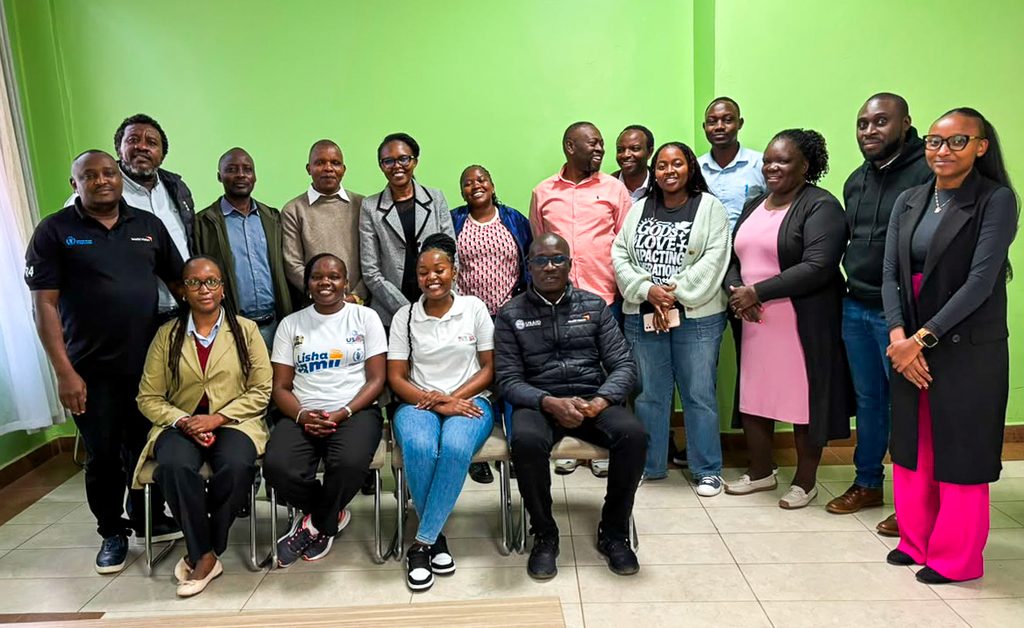
Climate variability is no longer an occasional disruption for farmers in Kenya’s arid and semi-arid lands; it has become the defining feature of every planting season. Last week, ACRE Africa, together with World Food Programme, World Vision, the County Government of Makueni, the County Government of Kitui, and APA Insurance, organized a co-creation workshop to analyse and refine the range of insurance product options available to farmers ahead of the 2026 Short Rains season.
The workshop brought together technical teams, county officials, and development partners to interrogate what worked in the past season, what needs to change, and how to design solutions that respond to the specific risks farmers on the ground are facing.
The Lesson from 2025
During the 2025 Short Rains season, farmers in Makueni faced severe drought conditions that affected crop performance across multiple value chains. Through our partnership with WFP, World Vision, APA, and the County Government of Makueni’s Ministry of Agriculture, ACRE Africa implemented a hybrid insurance solution combining Weather Index Insurance (WII) and Area Yield Index Insurance (AYII). The approach protected farmers against early-season drought and the subsequent yield losses.
The results were significant:
- 1,557 farmers insured across Makueni and Kibwezi East Sub-Counties
- Drought confirmed as the primary risk affecting the majority of insured farmers
- Ksh 4.3 million paid out to support farmers impacted by the drought
Most importantly, every single insured farmer received a payout; timely financial relief that helped them recover and prepare for the next planting season.
The lesson from Makueni is simple: risk mitigation cannot wait until farmers are already facing losses.
An Uncertain 2026 Season
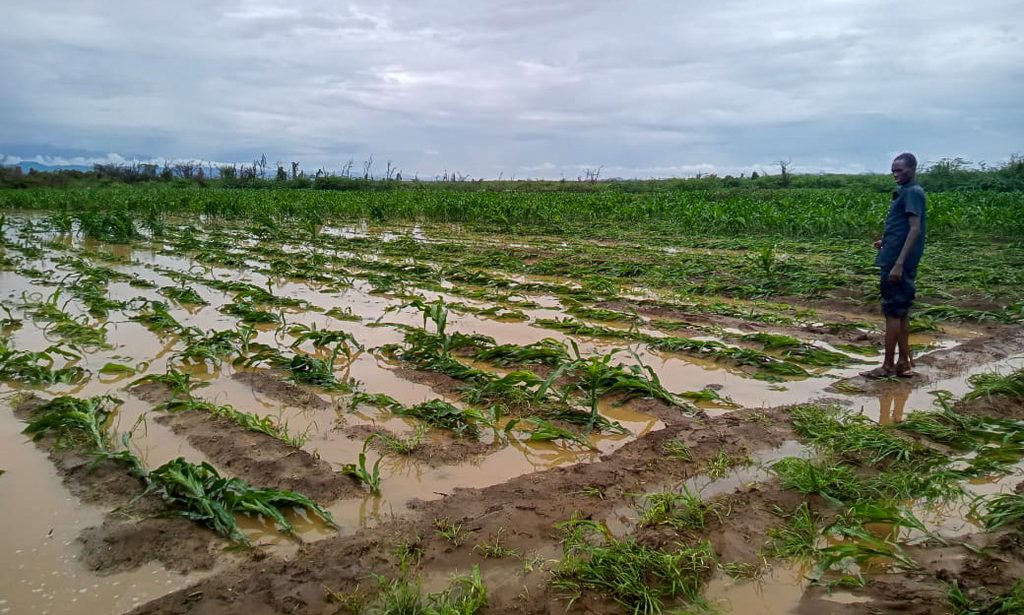
As we start the 2026 Short Rains season, the picture ahead is far from settled. Kenya Meteorological Department forecasts point to a strong El Niño event, with an estimated 81% probability that it will be very strong and a high likelihood of persisting into early 2027. Current outlooks suggest above-average rainfall and elevated flood risk in several regions during the October–December season; a marked contrast to the drought that devastated harvests just one season earlier. This is precisely the uncertainty that makes preparedness so urgent. Whether a season brings drought, as in 2025, or excess rainfall and flooding, as current forecasts suggest for 2026, the underlying threat to farmer livelihoods, incomes, and food security is the same: climate shocks that arrive faster than farmers or systems can respond to them. Climate forecasts pointing to heightened El Niño-related risks reinforce the need to act early, and to build products that are flexible enough to respond to whichever risk materializes.
Collaboration Is the Multiplier
No single actor can solve this alone. We need stronger collaboration between governments, insurers, financial institutions, development partners, agribusinesses, and other actors to put affordable, scalable risk management solutions in farmers’ hands before climate shocks occur, not after.
That is exactly what last week’s co-creation workshop set out to do: bring key players to the same table to shape insurance products grounded in evidence, responsive to local risk profiles, and ready to scale ahead of the season.
Insurance, however, is only one part of the solution. Early warning systems, climate information services, climate-smart agriculture, access to finance, and timely response mechanisms must all work together to protect farmers and keep food systems resilient.
The 2025 experience gives us the evidence. The 2026 season allows us to act earlier and at greater scale, to move from responding to climate shocks after they strike, to mitigating their impact before they do.
Are we ready to put risk mitigation ahead of risk response?
ACRE Africa works with governments, insurers, financial institutions, input companies, development partners and other key stakeholders across Africa to design and deliver climate risk insurance solutions that protect farmer livelihoods and strengthen food systems in the face of increasing climate variability.
