

The Unequal Burden of Climate Change
Climate change compounds existing gender inequalities. Women farmers typically lack secure land tenure, control over financial decisions, and access to agricultural technologies. This is evidenced in a report by FAO, 2011 and a landscape analysis ACRE Africa conducted in 2024 in Burundi under the Gender-Responsive Agriculture Adaptation Approach with Parametric insurance and Smart Finance Integration in Burundi project. The project was implemented in partnership with Climate Action Africa (CAA) with financial support of the Government of Canada, Alinea, Econoler and Wsp.
Social and cultural norms also restrict women’s mobility, decision-making power, and access to information, limiting their participation in insurance schemes and access to payouts. In Agriculture, their roles are concentrated in labour-intensive tasks like planting, weeding, harvesting while men dominate decisions on land use, crop choices, and marketing. However, when climate shocks hit, women often carry the dual burden of salvaging household food security and managing increased caregiving demands.
This heavy load exacerbated by male migration to urban centres or other countries in search of employment opportunities following climate disasters pushes women further into economic uncertainty. They are also more likely to suffer health impacts, including exhaustion, malnutrition, and psychological stress.
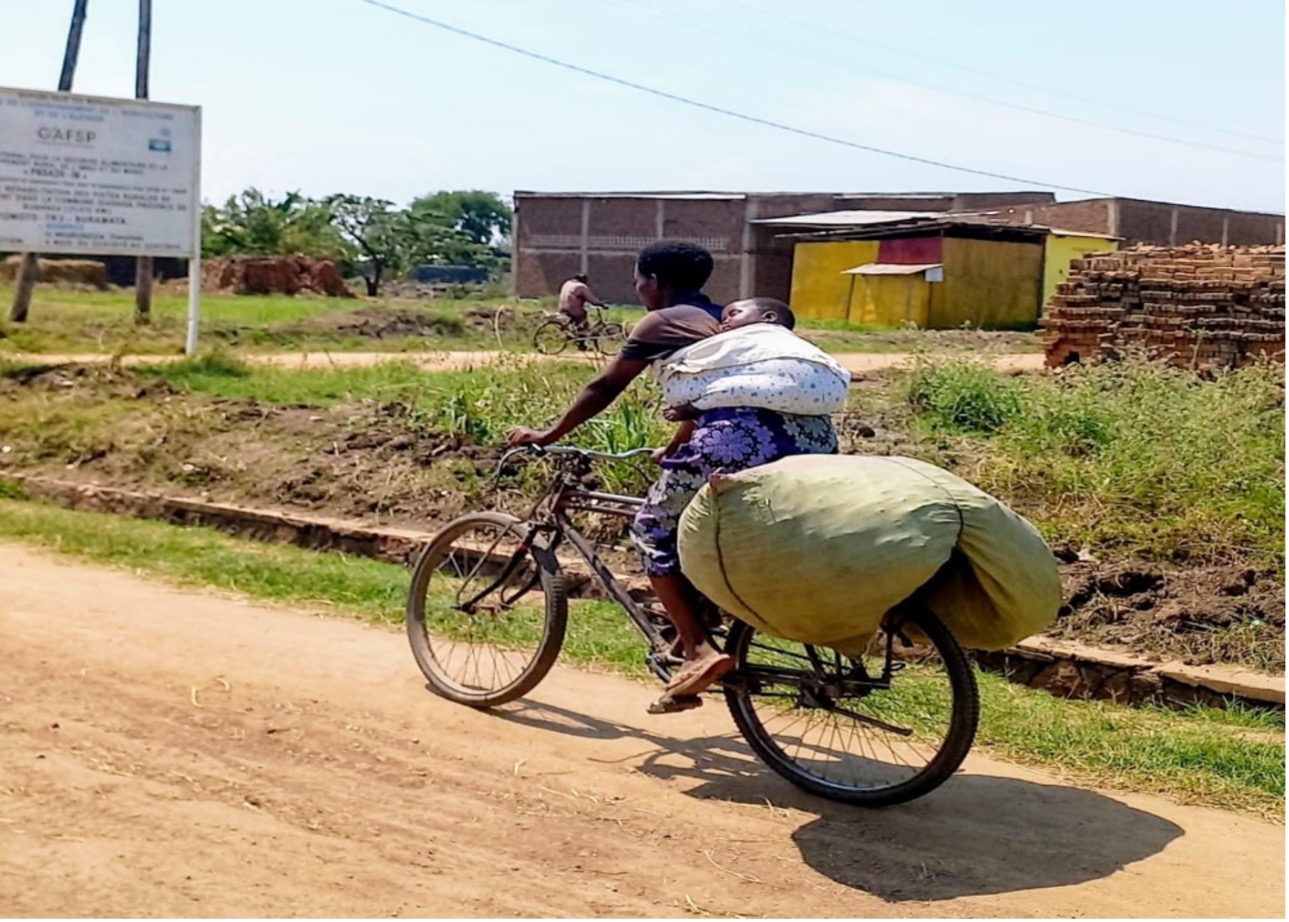 Figure 1: A woman in Northwest part of Burundi transporting farm produce to the market
Do Micro-Insurance Products Reflect Women’s Realities?
For over a decade, ACRE Africa’s operations have demonstrated that inclusive and micro-insurance offers a viable way to mitigate climate-related risks for smallholder farmers. As parametric insurance gains traction across Africa – its use of weather indices such as rainfall, soil moisture or temperature to trigger payouts allows for faster, more transparent, and cost-effective compensation without the need for individual loss assessments. To ensure gender inclusion, product design must adopt an inclusive approach that responds to the specific challenges faced by both men and women farmers.
Many agricultural insurance schemes remain gender-blind, failing to consider the specific needs and constraints of women farmers. For instance, payout thresholds often don’t align with the types of losses women face, and products may exclude crops typically grown by women.
Evidence from the Gender Analysis and Action Plan (GAAP) for Enhancing Agriculture Resilience in Burundi under the Gender-Responsive Agriculture Adaptation Approach with Parametric insurance and Smart Finance Integration in Burundi project, showed that men predominantly cultivate cash crops, and major value chains like maize and beans, while women focus on subsistence crops such as vegetables, groundnuts, legumes and poultry often not covered by insurance.
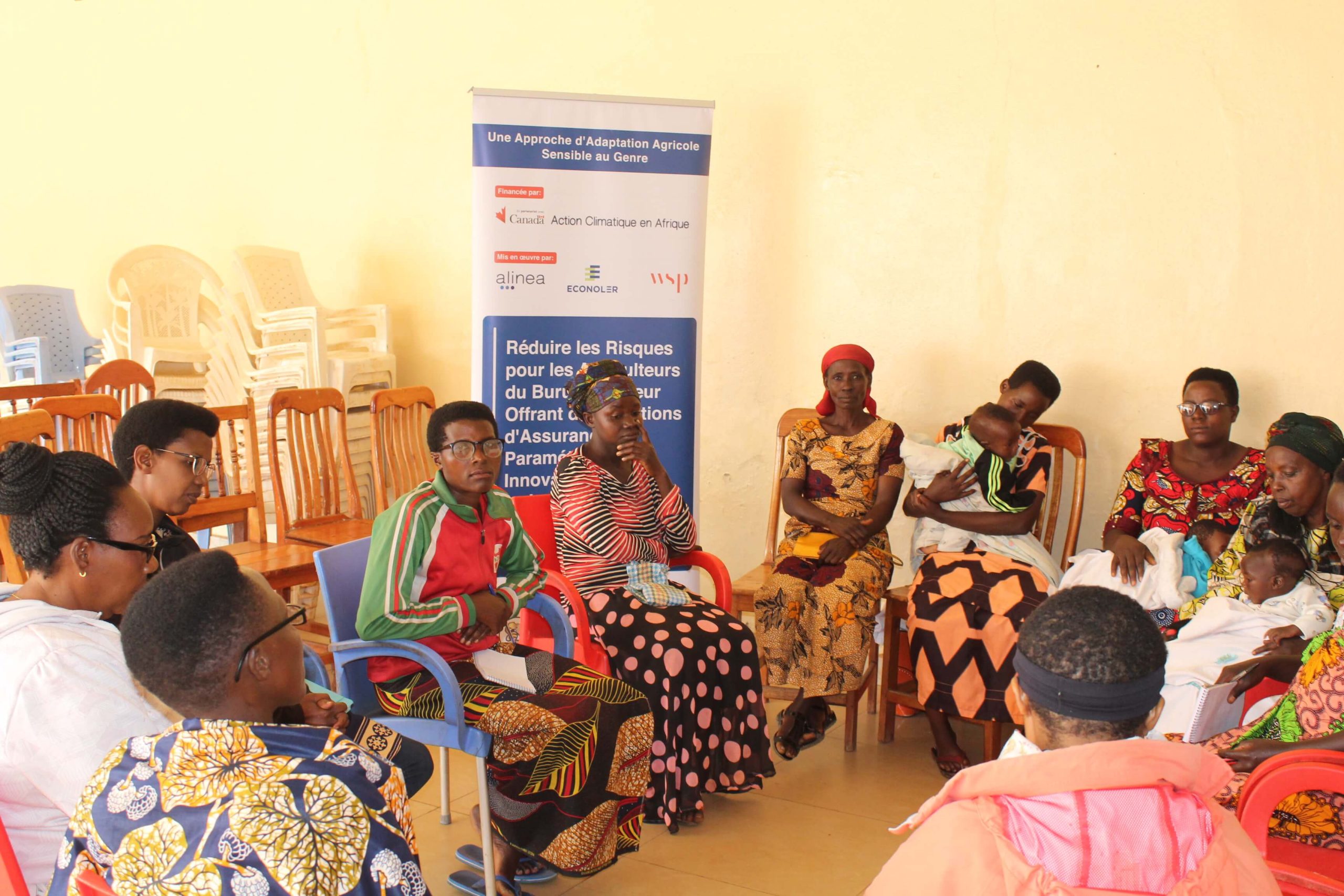 Figure 2: ACRE Gender Research Expert conducting a focus group discussion with female farmers in Burundi
Affordability and accessibility are also major barriers. Insurance premiums can be out of reach for women living in poverty, and complex enrolment processes, upfront premium one-off payment combined with low awareness, limit their participation. Additionally, many women lack targeted information and training on how insurance works, with literacy barriers and poor access to communication channels compounding the problem. Even when enrolled, women may not control payouts, which are frequently managed by male household members, limiting women’s agency and financial autonomy.
ACRE Africa’s Gender-Responsive Approach
To ensure meaningful coverage for women, insurance products must be tailored to the crops and livestock primarily managed by women. Our Gender-sensitive product design approach reflects the types of risks women face and sets payout thresholds aligned with their actual losses. ACRE also includes high-impact, small-scale crop failures and losses in small livestock enterprises that sustain women’s livelihoods and household nutrition.
Key Solutions
Affordability remains a major barrier for women farmers. ACRE Africa leverages on premium subsidies, provision of value-add services like advisories and flexible contribution schedules that make insurance more accessible, particularly for women in low-income countries like Burundi. Additionally, embedding micro-insurance within women’s savings groups and cooperatives enhances reach and uptake since women thrive in such social settings.
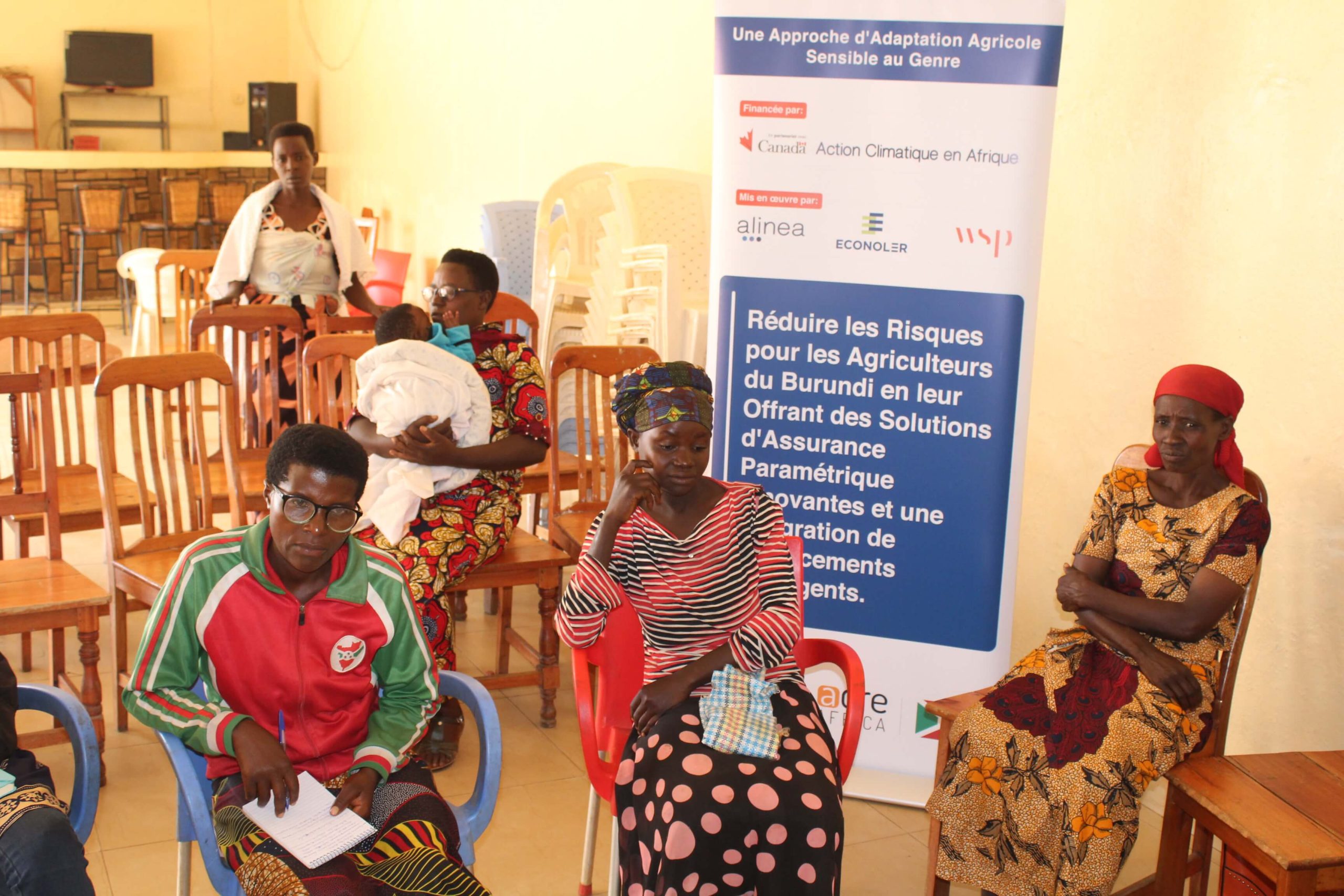 Figure 3: The reality of challenges faced by nursing mothers during the focus group discussion
Access to Information is equally important. Gender-sensitive communication strategies, delivered in local languages and through trusted community structures such as women’s groups and cooperatives, are essential. ACRE Africa complements this with high touch peer-to-peer knowledge transfer from agents dubbed as Champion Farmers, alongside the use of accessible technologies such as mobile platforms to ensure inclusivity, particularly for women who juggle demanding household responsibilities and may be unable to attend in-person meetings that require long-distance travel.
With the emergence of mobile money platforms, payouts are directed to the beneficiaries themselves, allowing them full control over how the funds.
It is evident that inclusive insurance has strong potential to enhance the resilience of women farmers. At ACRE Africa, we deliberately embed gender-responsive approaches that prioritize access, affordability, and relevance which are key elements in closing the protection gap and ensuring women are not left behind in the face of climate change.

